Arnaud's Plug-in Battery Adventure:
In 2026, energy is an issue. Energy Transition, Solar Energy, The end of the Dutch "Salderingsregel", (plug-in) home batteries, etc... All items that can be found in the (Dutch) news on a very regular basis.
We have already been living in an All-Electric house since 2006 and have 22 Solar Panels on our roof, so the end of the salderingsregeling (essentially a very nice solar-energy grant) has quite some impact on our energy bill. But, since the salderingsregeling has served its purpose, I understand completely why they are ending it.
Anyway, we decided to buy Plug-in batteries and this is more or less our starting point:
* Fully electric house (since 2006), Yearly Power Consumption:
12700 kWh
* Heat pump with ground thermal energy storage
* Underfloor heating / cooling
* 5,500 WP of solar panels
* EV (25,000 - 30,000 km per year)
* Air conditioning (purely for extra cooling)
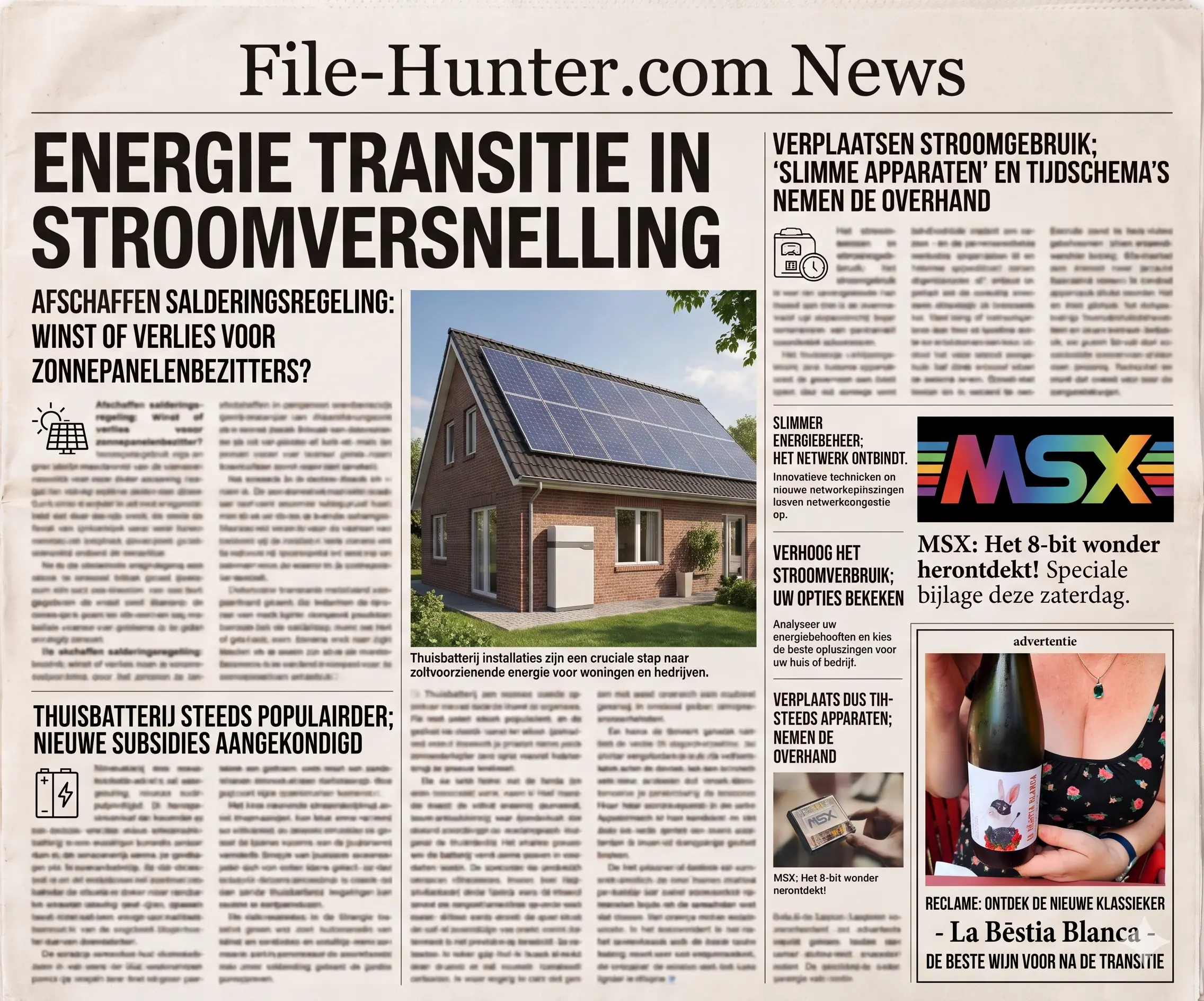 In 2026, energy is an issue. Energy Transition, Solar Energy, The end of the Dutch "Salderingsregel", (plug-in) home batteries, etc... All items that can be found in the (Dutch) news on a very regular basis.
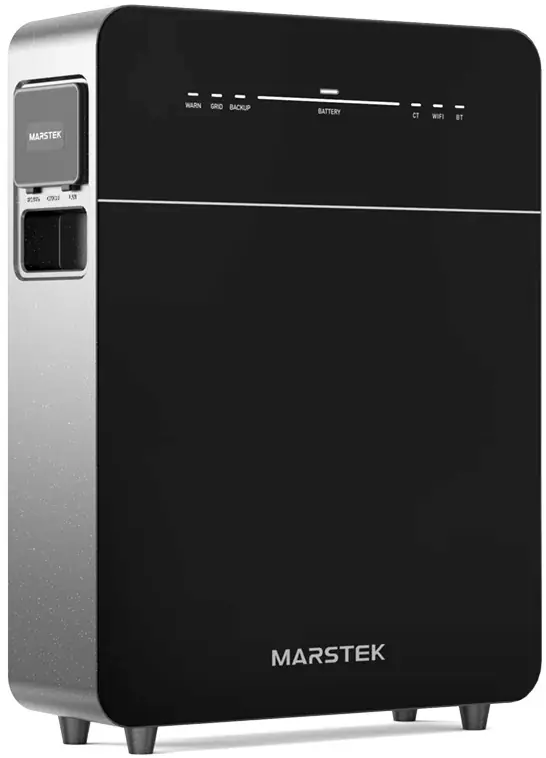 First choice to be made: How much battery storage do I need? Since our plan is to go get as close to net-zero (essentially try to use as little from the power grid as possible) is to have a look at our Power Consumption during the night in the period April - October. This gives us a number of around 10 kWh. People tend to overestimate the capacity they need. For a normal non-full-electric house, usually up to 5 kWh should suffice.
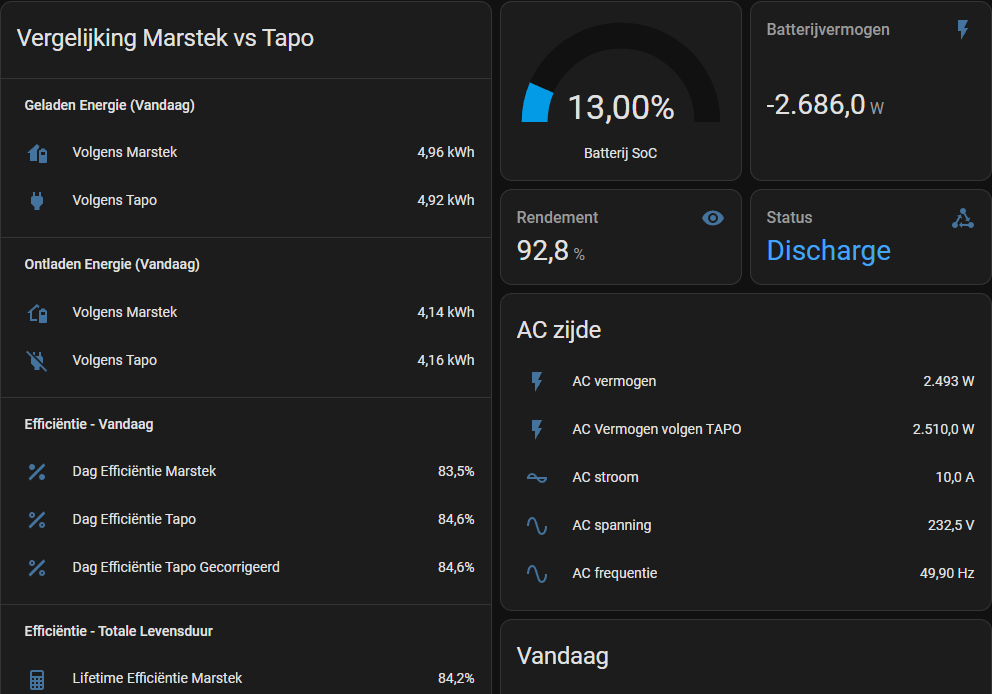
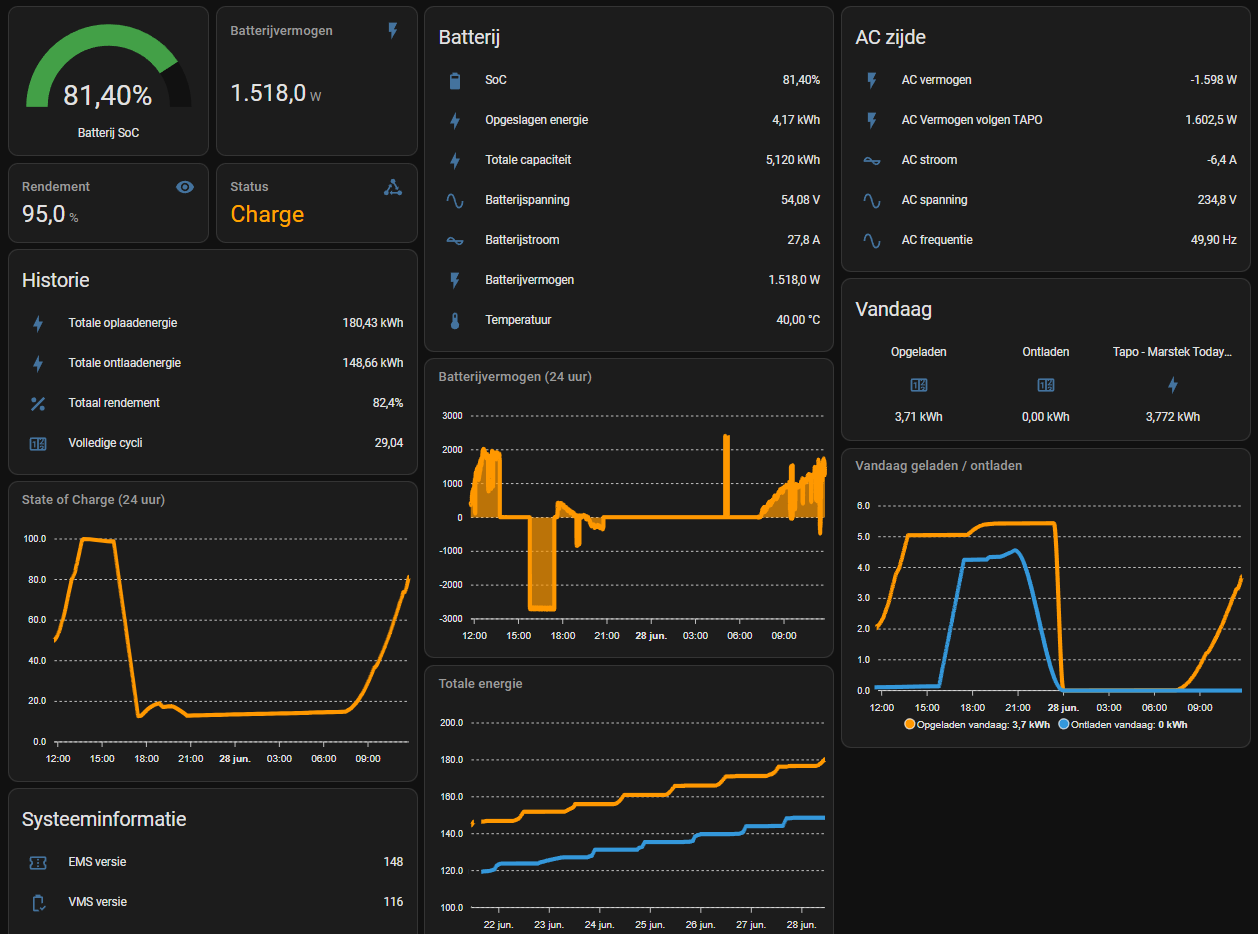 You are a nerd, or you are not. As I like to think I am, so now I of course needed to add these 2 units into my Home Assistant so I could get all kinds of nice stats, graphs, history, etc. But. I am also a lazy nerd and as tech-savvy as I am, I decided to put my Google One subscription to good use and put Gemini to work to create some nice dashboards. First I hooked up both batteries to my network using MODBUS over TCP, which in essence is a serial connection over your internal LAN network.
 Even though this is just the data from 27 days and the 2nd battery has only been online a bit over 2 weeks, you can already see a nice trend: Our own self-consumption of solar energy has increased from 29% to 65% already. In kWh, this means we have relocated around 250 kWh this month. We normally would have "donated" this to the energy company, but now we have used it ourselves!